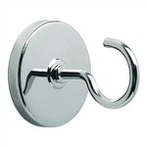
Neodymium magnets for magneto products
In our world, there are two kinds of rare earth magnets (the first is neodymium, the second is samarium cobalt). Ferrite (ceramic) magnets are used in magneto and motor vehicle magnet products. Rare earth magnets are generally two to three times stronger than ferrites or ceramic magnets. In the motor, it has good performance in size, weight and power. It is smaller, lighter, and more powerful. The disadvantage is that rare earth magnets are actually more expensive than ferrite (ceramic) magnets.
In fact, neodymium magnets are also used for electric vehicle motor requirements. From the electric motors that spin DVD discs to the tyres of hybrid cars, neodymium magnets are actually used throughout trucks. The determination of samarium cobalt or even neodymium as automotive magnets is usually based on the operating temperature level and/or oxidation resistance.
Operating temperature: If the low coercivity level is heated to more than 176 ° F (80 ° C), the neodymium magnet may begin to lose its toughness. Neodymium magnets of higher coercivity quality have actually been bred to operate at temperatures of approximately 428 ° F (220 ° C), with a little irreversible reduction. The requirement of low temperature coefficient in neodymium magnetic requirements has actually led to the development of many grades to meet specific operational requirements. Feel free to describe our magnetic house chart to see the characteristics of each level.
Rust: Neodymium magnets are actually very easy to rust, especially at the grain boundary of sintered magnets. This form of oxidation can cause severe wear, including the decomposition of magnetic materials into small magnetic particle powders. This sensitivity is resolved by combining defensive coverings to avoid visibility into the atmosphere. Nickel plating or even two layers of copper nickel plating is actually the standard method, although layering with various other metals, even plastics, and varnish preventive finishes can also be used.